Inside: Milk & Food
Three reasons why milk pee turns out even smaller
Is the milk price in safe water or not? The answer mainly depends on what the milk supply is going to do. In any case, it is certain that the supply in November was even worse than expected and December is also turning red again. Two reasons why the milk puddle turns out even smaller.
Read this article?
Become a subscriber and get instant access
Choose the subscription that suits you


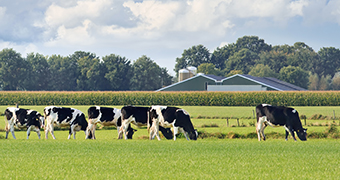
The lower milk supply is the result of a combination of disappointing weather and a lower milk price. In the previous season, a significant milk price correction late in the season resulted in major losses. The effect is palpable in the 2016/17 season. In addition, negotiations with retailers, which purchase the majority of milk and dairy products in Australia, do not appear to run smoothly everywhere and that can once again put pressure on milk prices.
In the European Union, the final figures for November have also been announced. It provides a supply of 11,45 million tons of milk. A minus of 3,64 percent compared to a year earlier. Less milk than a previous forecast suggested. The signal for December also remains red. The first week of January results in somewhat smaller backlogs in France and Germany, but on the other hand, the lead has evaporated in the Netherlands.
New Zealand closes the queue. After a particularly wet spring on the North Island, dry and warm weather has now arrived. It takes its toll on the grass and forage harvesting. For December, Fonterra sees 5 percent less milk compared to a minus 6 percent for the entire season. The disappointing results on the Global Dairy Trade (GDT) are mainly attributed to an excessive supply of whole milk powder. Arguing the other way, it can be said that demand is still insufficient to support more supply.
Caution is therefore advised. What FrieslandCampina also revealed at the ZuivelNL New Year's drinks through Roelof Joosten. However, dairy farmers do not have to complain because higher prices on the meat market guarantee a good return after the sale of heifers that have passed away. Fonterra sees the current developments mainly as a harbinger of recovery in 2018.

