Brought to you by Limagrain
This is how you reduce your feed costs with corn
As a stable supplier of energy in the dairy cattle ration, silage maize is an important factor in feed costs on many farms. With a high VEM yield and optimal utilization by the cow, you achieve maximum yield and lower your feed costs. Below you can read how to approach this.
Maize provides energy that dairy cows need to convert the protein in grass into milk protein. It is also tasty and provides a lot of nutritional value per hectare. Without maize, expensive starchy concentrates, maize meal or crushed grain must be purchased to add energy to the ration. With these practical tips you maximize the value of silage maize:
Choose nutritional value
As a maize grower you can choose from a wide range of maize varieties every year. When it comes to reducing feed costs, one variety characteristic is decisive: the VEM yield (kVEM/ha). After all, you don't have to buy every VEM that you get from your own country.
The VEM yield is the result of the dry matter yield times the VEM per kilogram of dry matter. In silage maize, this VEM comes from the cob and from the residual plant. Maize varieties that excel in nutritional value therefore provide a lot of energy from starch and from an easily digestible plant (cell wall digestibility).
Take care of the cultivation
There is still a large gap between the yield potential of maize varieties and the actual yields. With more attention to cultivation, insight into the soil and good chopping planning, there is still a lot to be gained. But as a livestock farmer you are mainly busy in the barn.
That is why the smart farming platform Agrility is now supported. This allows you to follow the corn closely digitally and chop at the perfect time. That is how it works:
Choose corn that fits in the ration
Maize for silage fits perfectly next to grass in the ration of the high-yielding Dutch cow. Maize provides a lot of glucose from starch and energy from the residual plant. It is important to properly match your maize variety(s) to the proportion of grass in your ration.
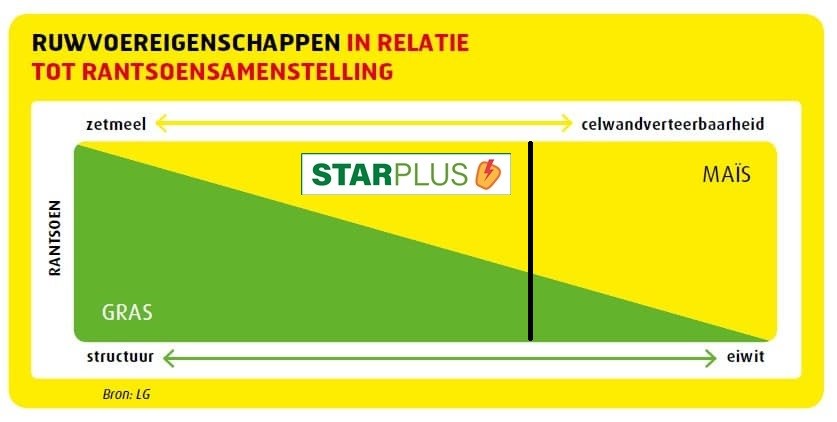
Fits in grassy rations starchy corn perfect to provide a lot of extra (glucogenic) energy. With a higher maize share, the energy from the residual plant is especially important; an excess of starch poses a risk of fattening and rumen acidification. View top digestible maize varieties >>
Harvest ripe corn
The starch from the corn cobs provides a large part of the energy from silage maize. You only achieve the maximum feed value yield (kVEM per hectare) when the maize is fully ripe: fully ripe cobs and a total dry matter percentage of about 36%.
Therefore, choose maize varieties in particular from the very early/early group. These varieties have the greatest chance of timely ripening; not only on cold/wet soils, but also on lighter soils, where maize growers have to harvest (or underseed a catch crop) before 1 October.
Tip: the new Agrility platform predicts ripening well in advance, so that you can schedule the contractor at the optimal harvest time. Read more here >