Brought to you by KWS
Optimization of maize cultivation is the basis
Every year corn gets a higher yield. This is apparent from multi-year test field results of maize varieties and, strangely enough, this additional yield is being achieved despite the increasing requirements of fertilizer legislation.
Critics indicate that this annual increase in yield is not always visible in practice. A conscious choice of variety would therefore be of no importance. But that's not right. Cultivation support for maize cultivation is essential to close the 'gap' between the trial fields and practice.
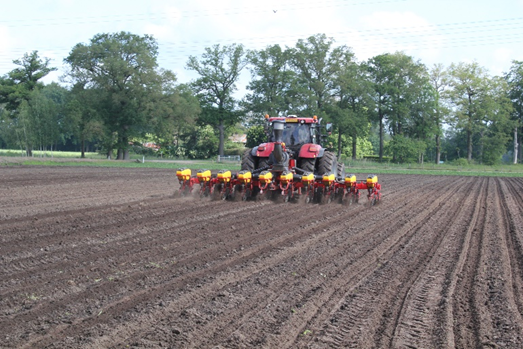
Soil and fertilization
The soil, and especially the fertility of the soil, is a determining factor in being able to utilize the genetic yield potential of the maize variety to be sown. Successful maize cultivation starts with mapping the soil quality, which can be divided into chemical, physical and biological soil fertility. A high-quality soil is characterized by a high CEC, an optimal pH, the presence of sufficient organic matter, the presence of sufficient phosphate in the form that can be absorbed and (immediately) available to the plant, and a sufficient to high K-supply and K- availability. The soil fertility is mapped out on the basis of a recent soil analysis and a fertilization balance can be made on the basis of this. Location-specific information, for example determined with a Veris scan, can also contribute enormously to this. The fertilization balance then determines whether the soil fertility needs to be maintained or repaired. Parties that specialize in mapping and assessing soil quality play an essential role in this.
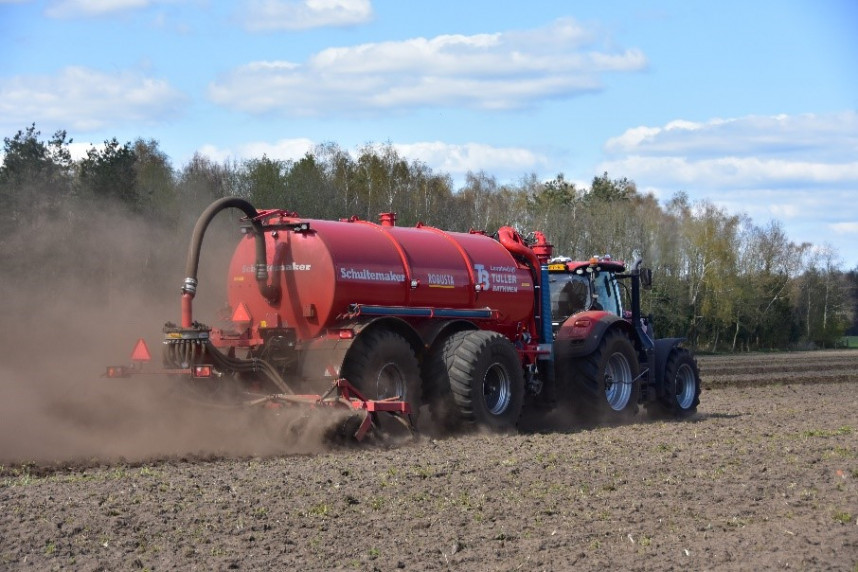
Manure analysis is basic
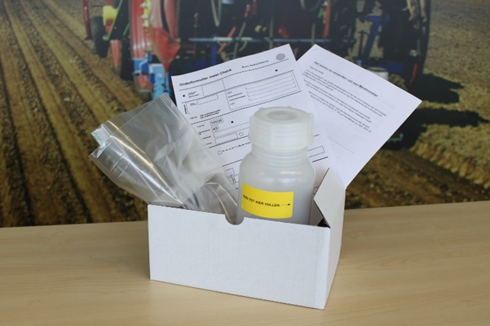
In addition to nutrients from the soil, the grower will have to fertilize the maize crop in order to provide for the extraction. When fertilizing with organic manure, it is not only important to know how many cubic meters or tons to fertilize per hectare, but especially by doing this based on the exact composition of this manure. A thorough manure analysis is therefore a must. Consideration should also be given to whether a higher utilization of the nutrients to be supplied via the manure is possible, for example by processing the manure. Sowing maize at a row spacing of 37,5 or 50 centimeters instead of the usual 75 centimeters may improve efficiency. Supplementation with special mineral row fertilizers, given via the maize sowing machine, ensures the necessary 'fine-tuning' of the plant nutrition picture.
Correct pH
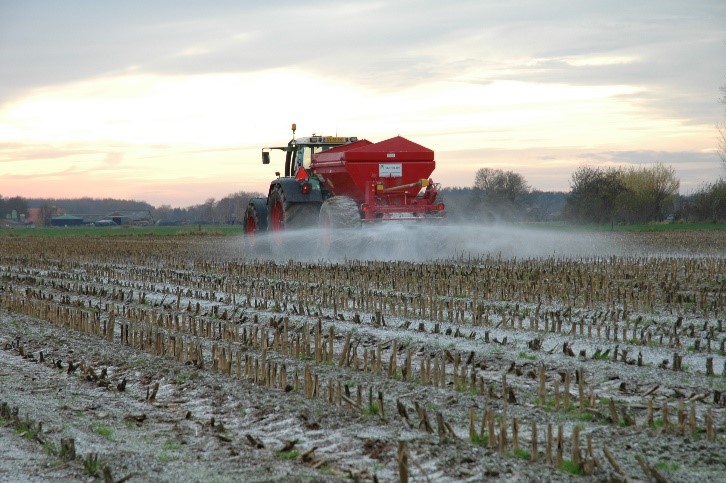
Special attention is also paid to maintaining the correct pH through maintenance or repair lime and through sufficient supplementation with potassium. On many fertilization balances for maize, this nutrient appears to be the weak link in the whole. Everything is done as much as possible when possible. In other words: if the bearing capacity of the soil allows it to prevent structural damage. In the field of fertilization, an important task is reserved for the contractor, who, with the support of the machine industry, ensures that the correct application equipment is used, on tires that achieve the lowest possible soil pressure. Specialists employed by the fertilizer industry provide specific knowledge of the fertilizers to be used.
Would you like more information or do you have questions about the soil fertility of your maize fields? Please feel free to contact your KWS adviser.