News Milk
New Zealand starts milk season with record
The New Zealand dairy sector has kicked off the new season with record production. Spring is on its way, and production is being boosted by favorable milk prices, ample feed availability, and good weather conditions. While production is expected to grow further this year, the sector remains vulnerable to weather influences and trade barriers.
Read this article?
Become a subscriber and get instant access
Choose the subscription that suits you


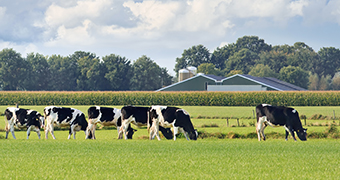
The sector broke records for the third consecutive month in July. Milk yields reached 312.000 tons in July, a slight increase of 0,65% compared to a year earlier. This slowed growth compared to the substantial increase of 14,5% in June, but the results confirm the strong momentum of the past three months.
The overall result is positive and reflects the good start to the new milk season. Production through July amounted to 9,03 million tons, a 1,4% increase compared to a year earlier.
The positive trend is even more evident in the production of milk protein and fat (milk solids). This rose by 2,2% year-on-year in July to 28.042 tons. Cumulative production thus increased by 2,3% to 862.196 tons.
Favorable mix of production factors
The favorable developments are driven by a combination of higher milk prices, good feed and pasture availability, and a positive weather outlook. Fonterra raised its milk price forecast for the 2024/25 season to NZ$10,15 per kilogram of milk solids. The range was tightened to NZ$10,1 to NZ$10,2 per kilogram of milk solids. The relative price stability reflects confidence in both domestic and international market developments, providing farmers with income security and more flexibility for short-term planning. For 2025/26, Fonterra maintains its forecast of NZ$9 to NZ$11 per kilogram of milk solids.
Meanwhile, grass growth on the North Island – which accounts for nearly 90% of total milk production – remained below average. Farmers compensated for this by using more supplementary feed, as evidenced by a remarkable 29,7% increase in palm kernel expeller imports.
Rabobank expects warm and wet spring weather in New Zealand, with strong pasture growth and relief from calving pressure. Soil moisture is currently above normal, further supporting grass growth. At the same time, excessive rainfall could lead to flooding, particularly in the northern and eastern regions.
Positive start to the new season
The outlook for milk production in New Zealand remains largely positive. In the short term, Rabobank predicts slight growth of around 1% year-on-year for August and September. The United States Department of Agriculture (USDA) expects an annual production increase of 2025% by 1. Rabobank even expects a record 2024/25 season, assuming favorable weather conditions remain.
In the longer term, price volatility and international trade risks remain threats, especially if supply growth were to outpace global demand. Trade barriers, such as the 15% US tariff on dairy imports from New Zealand, could also weigh on exports.