Inside: Pigs & Feed
Spanish pig sector switches to Duroc genetics
Now that 2016 has come to an end, Spaniards are taking stock and also evaluating the developments of the Spanish pig sector. Striking findings are the higher export volumes to third countries and an increasing demand for higher quality standards.
Read this article?
Become a subscriber and get instant access
Choose the subscription that suits you


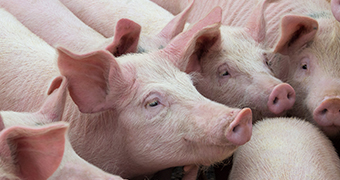
The Spanish pig market experienced a revival last year, mainly due to a strong increase in sales opportunities on foreign markets. In 2016, more than 50 percent of pig production was sold outside Spain, indicating that Spain is quite dependent on the mood in Europe and on the world market. On balance, live weight pig prices were about 2016 percent higher at 20 euros per kilo at the end of 1,13, but in the meantime the Spanish quotation for live pigs has also touched 1,33 euros.
The pig herd in Spain has been the largest in Europe since 2016 with around 28 million pigs, while Germany – number 2, but traditionally the largest – has around 27 million pigs. In terms of pork production, Germany is still the largest, because Spain exports a relatively large number of live pigs, also to Germany. In terms of sales market, China is the most important trading partner with sales of 18 percent of the exported volume, followed by France, Italy and Portugal. On balance, exports within Europe increased by about 5 percent in the period January to September, while exports to third countries increased by about 70 percent.
The most important conclusion that the Spaniards draw about 2016 is an increasing demand for better quality pork. There is a clear genetic shift visible from Pietrain genetics to Duroc pigs. This could mean that domestic demand in Spain shifts to different quality standards or that the Spanish pig sector wants to make a mark on the world market with different genetics.
Recently, a Danish research institute claimed that the Duruc breed is much better than Piétrain genetics as a sire line in Danish sow farming. The Duroc pig scored considerably better, especially in terms of yield and animal welfare, with a difference in piglet mortality of about 15 percent.